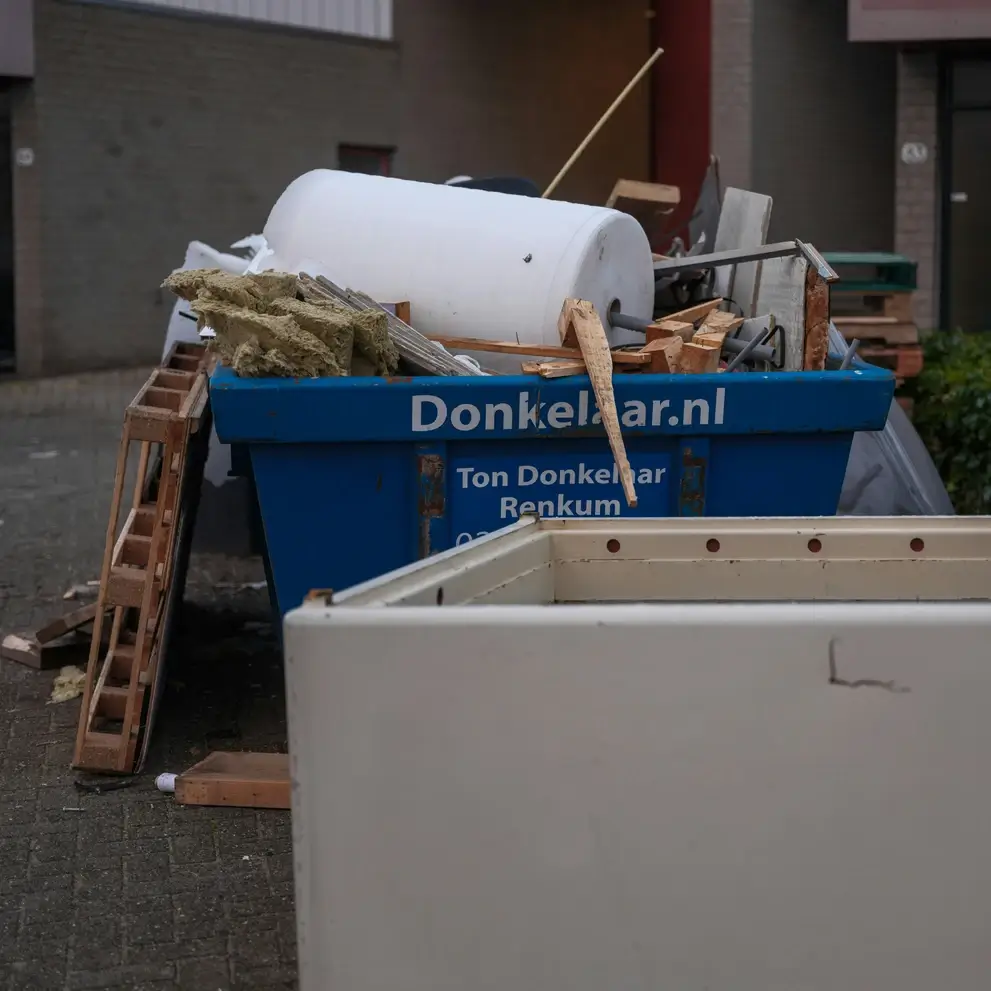
Skip Hire in Finchley for practical waste removal and straightforward loading options
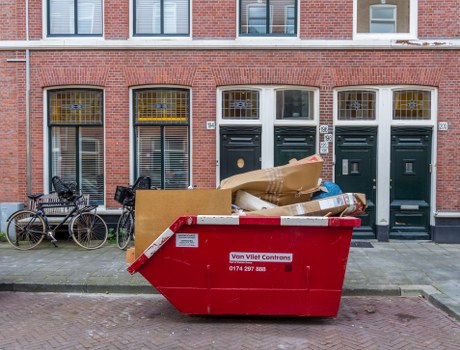
Skip hire in Finchley gives households, trades and site managers a simple way to deal with mixed waste, bulky debris and recurring clear-out material without turning the work into a series of separate tip runs. Our service is built around choosing the right skip size, keeping the loading process manageable and arranging collection when the container is ready. That makes it suitable for renovation waste, garden material, general household decluttering and many light-to-medium building jobs.
We support customers who need a clear, organised way to move waste off a property or worksite. The main decision is usually not just the container itself, but how the waste will be loaded, where it can sit and whether the contents are likely to include heavier or awkward items. If you are planning work in Finchley, our skip hire options can be matched to the scale of the job rather than forcing you into a one-size-fits-all approach. Start with the waste type and volume, then choose a skip that fits the job properly.
Because projects change as they progress, it is useful to think about access, placement and likely fill level before ordering. A driveway-based collection may be different from a container needed near a frontage or on a tighter street, and the practical choice should reflect that. If you already know roughly how much material will come out of the property, you can compare options more confidently and avoid overfilling or under-ordering. Tell us what needs clearing and we can help keep the process straightforward.
Choosing the right skip for your waste stream
The best skip hire choice usually depends on the kind of waste rather than only the size of the project. Light mixed household rubbish behaves differently from rubble, soil, timber offcuts or packaging, and those differences matter when you are loading and lifting. A good match means less wasted space, a safer fill pattern and a better chance of handling the job in one go. For many customers, that starts with a simple discussion about what is going in the container and what needs to stay out.
For jobs with recurring waste, it also helps to plan how the material will be generated across the week. A home clear-out may produce bags, furniture and broken household items at different stages, while a trade job can produce plasterboard, timber and mixed debris in a more regular flow. That is why our approach is practical rather than rigid: we look at the likely waste mix, then help you choose an option that suits the pace of the work and the site conditions.
Common reasons customers arrange a skip include:
- household clear-outs involving general rubbish and broken items
- garden projects creating soil, branches and green waste
- building work producing rubble, packaging and offcuts
- decorating jobs with old fittings, plaster and packaging
- property tidy-ups where waste builds up over several days
Domestic skip hire for homes, clear-outs and refurbishment jobs
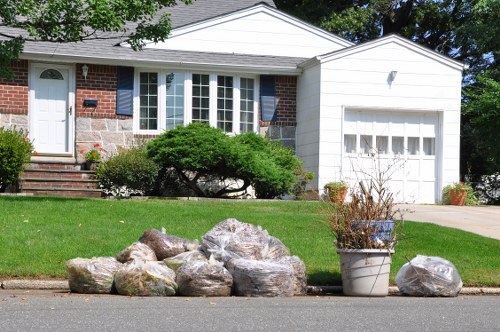
Domestic skip hire is often used when the waste is too bulky for bin collections and too awkward for repeated car journeys. It can help during loft clearances, kitchen changes, bathroom rip-outs and general decluttering. The aim is to make disposal more orderly while the work is still going on, rather than leaving bags and broken items stacked around the property. A suitable container keeps the job moving and gives you one place to put mixed waste as it comes out.
For homeowners, the useful part of the service is flexibility. Some projects create only a modest amount of rubbish, while others expand once cupboards are opened, flooring is lifted or old fixtures are removed. Choosing a skip with enough room for the actual waste stream helps avoid last-minute changes. If you are unsure whether your material is mainly general waste, light builders waste or a mix of both, it is better to describe the contents plainly than to guess.
Planning tip: think about where the waste will come from, how quickly it will be filled and whether anything heavy is likely to arrive early in the project. That helps us suggest the most appropriate domestic option without adding unnecessary cost or complexity. Clear details lead to a clearer recommendation, especially when several rooms or outbuildings are being emptied at once.
Builders skip hire for renovation, demolition and construction waste
Builders skip hire is designed for the kinds of waste that appear during construction and refurbishment work, including rubble, brick, tile, timber, packaging and general debris. These jobs often create waste at pace, so the container needs to be practical to load and suitable for the materials being handled. When the waste is organised into one collection point, the site is easier to keep tidy and the work is less likely to stall because debris has built up around the work area.
On building projects, the volume can change quickly as each stage is completed. That makes it important to choose a skip size that reflects both the current waste and the next round of material likely to come off the job. We also keep an eye on loading behaviour, because heavy waste should be spread sensibly and mixed with lighter items when appropriate. If the project produces specialist waste or particularly dense material, it is worth discussing that early so the arrangement stays suitable.
Typical project types
Builders often ask for skips during structural alterations, strip-outs, kitchen replacements, garage changes and smaller extension works. These jobs may produce a steady mix of waste rather than one large burst, so the container needs to stay useful throughout the programme. The better the match between the skip and the waste pattern, the easier it is to maintain access, avoid clutter and keep disposal within a sensible routine.
Site clearance and larger-scale waste removal
Site clearance work is useful when a property, yard, plot or work zone has accumulated varied waste that needs removing in a coordinated way. Rather than dealing with one item at a time, the task focuses on collecting the material that is already on site and making sure it is removed in a structured manner. That can include mixed rubbish, remnants from trade activity, broken fixtures and general debris left after a phase of work has ended.
For a wider clearance, the useful decisions are usually about access, waste type and whether the material can be sorted before collection. Clear sorting can improve loading efficiency, especially where heavy items, reusable fixtures and loose waste are all present together. If the area is awkward to reach or contains material from several different tasks, we can still help you work out a sensible collection plan, but the practical details matter more than the label attached to the job.
Large clearances are often easier when the waste is described in simple, factual terms. Mention whether it is domestic, trade, mixed or bulky; whether there are hard materials like rubble or soil; and whether there are items that need separate handling. That gives a better basis for choosing the right service than a broad request alone. Specific waste information is always useful because it supports a more accurate and manageable arrangement.
Garden waste, green material and outdoor clean-up jobs

Garden waste removal is a practical option when cuttings, branches, turf, hedge clippings and other outdoor material start to build up faster than normal bin collections can manage. It can be especially useful after seasonal tidying, landscaping work or the removal of old beds and border material. A skip gives you a single place for the waste to go, which helps keep paths and driveways clearer while the work is underway.
Outdoor waste can be varied, and that is why the right service should reflect the contents rather than just the size of the plot. Some jobs are mostly light green waste, while others include soil, roots, broken planters, timber edging or old garden furniture. If you know that the work will involve a mix of soft and heavy material, it is worth being precise about the balance. That helps us choose a container that can accommodate the actual load pattern without unnecessary complication.
We also support customers who are clearing outside areas in stages. A lawn project, fence replacement or planting refresh may produce waste gradually, so you may not want to wait until the end before arranging removal. In that case, it helps to think through the order of work. Remove the bulky material first, then continue loading smaller waste as the task develops. That keeps the outdoor space usable and avoids building up piles in places where they become difficult to move.
Skip sizes, loading habits and practical limits
Choosing skip sizes and prices is as much about how the waste is loaded as how much waste there is in total. Light, compact rubbish will usually fill differently from awkward items that leave empty spaces between them, and dense material can reach a practical limit before the container looks full. That is why sensible loading matters: it reduces wasted room, keeps the waste stable and helps the collection remain straightforward.
When deciding on a size, think about the mix of waste as well as the quantity. A project with broken fittings, cut timber and packaging might need different space from one made up mostly of small bags. It is also useful to consider whether the waste will be added all at once or in several stages, because that affects how long the container needs to stay available and how carefully the contents must be arranged. The right fit is practical, not just approximate.
If you are unsure where to begin, a simple description of the work usually helps more than technical assumptions. For example, tell us whether the job is domestic, trade or mixed; whether the waste includes heavier items; and whether the loading area has limited access. With those basics in place, it becomes easier to match the container to the job and avoid paying for space you do not need. Good planning reduces guesswork.
About Finchley
Finchley is a district in north London, traditionally associated with the historic county of Middlesex and now part of the London Borough of Barnet. It is made up of several distinct areas, including North Finchley, East Finchley and Finchley Central, each with its own streets, local centres and transport connections. The district’s development was shaped by the expansion of London and by the arrival of rail links in the nineteenth century, which encouraged suburban growth and changed the area from a more rural landscape into a settled residential part of the capital. Finchley Central became an important focus for local life, with civic, commercial and transport activity clustering around the station and nearby roads. The area also has older features that remind visitors of its earlier history, including the Church End area and the surviving pattern of roads that reflect past settlement. Nearby open spaces such as Victoria Park, Friary Park and Cherry Tree Wood provide green relief within a largely built-up urban setting, while the Dollis Brook and associated waterways add natural corridors through the district. Finchley is also known for its mixture of housing styles, from Victorian and Edwardian terraces to later suburban streets and larger apartment developments, giving the area a varied architectural character. That variety is part of what makes Finchley feel layered rather than uniform: older local shopping parades sit alongside modern facilities, main roads carry traffic between parts of north London, and quieter residential streets branch away from busier routes. The result is a place with a strong local identity, practical amenities and a long-established place within the wider London landscape.
Waste types, restricted items and sensible preparation
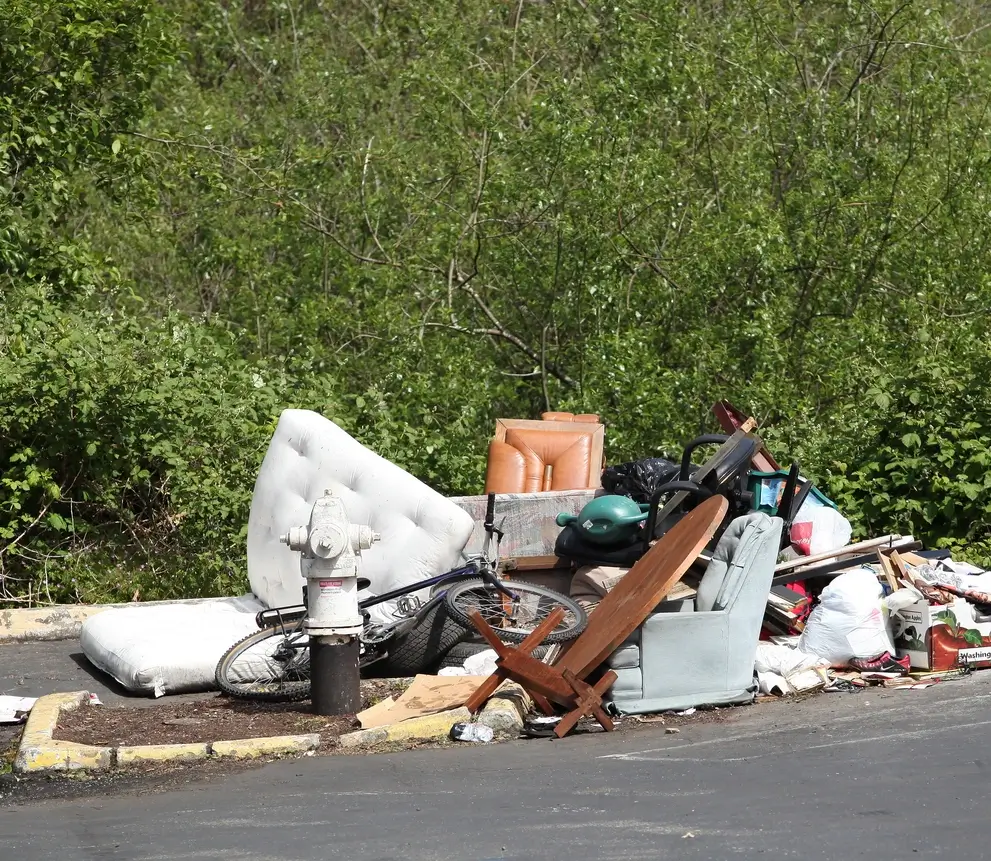
Not every item belongs in a general skip, so it is worth separating ordinary waste from anything that needs special handling. Hazardous materials, electrical goods, fridges, mattresses and some other items may need different arrangements or additional care, depending on the contents involved. If you are already sorting a project, it is helpful to identify those items early rather than mixing them into a general load. That avoids delays and keeps the disposal plan suitable for the material.
For most customers, preparation is simple. Keep the access route clear, think about where the container can sit safely and make sure the waste is not scattered across too many locations before loading begins. If the work is ongoing, it may help to keep bags and bulky items together in one place so the loading pattern stays orderly. We can then advise on the most practical approach without turning the process into a lengthy checklist.
One useful habit is to separate reusable items, obvious recycling streams and general waste before the container arrives. That is not always essential, but it can make the job easier to manage and may help you use the space more efficiently. If you are arranging a mixed clearance, a little preparation can go a long way. Keep the process simple and factual and the arrangement is usually easier to handle.
Pricing factors, collection timing and booking a skip
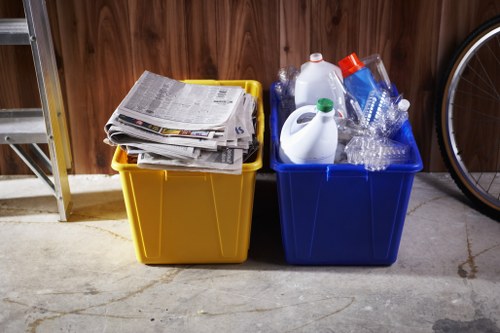
Pricing and timing are usually influenced by the container size, the kind of waste being removed and how the collection needs to fit around the property or work schedule. A straightforward domestic load may require a different arrangement from a heavier builders’ mix or a longer-running clearance. Because waste is not always uniform, the most useful quotation is one based on the actual project details rather than a rough assumption.
When you are preparing to book, it helps to have a basic outline of the job ready. That should include the waste type, the likely quantity, the access situation and any issues that might affect placement or loading. If you are comparing options, you may also want to think about whether the job needs a short stay or a slightly longer arrangement. Clarity at the start makes the booking easier and helps the service fit the work rather than the other way round.
Request a quotation when you are ready, and we can help you identify the right skip hire option for your Finchley project. If you already know the waste type and likely volume, that is the best place to begin. For enquiries that include mixed waste or awkward materials, simply describe what you have in plain language and we can take it from there. Ask for a quote today.
Other waste services that support skip hire projects
Some jobs are better handled with a different disposal method or a combination of services, especially where the waste is bulky, location is tight or the material needs to be moved quickly. That is why it can be useful to think beyond the container itself. Depending on the project, alternative or supporting services may include grab hire services for bulkier loads, rubbish removal for direct collection, or wait and load skip hire where leaving a container on site is not convenient.
We also provide options for more specific waste streams and property types, including builders waste removal, domestic skip hire, commercial skip hire and office clearance. If your project includes materials that need separate attention, related pages can help you compare the most suitable approach before you arrange collection. This is especially useful when a project changes shape midway through and the original plan needs adjusting.
For final arrangements or a direct enquiry, use the service page details that best match your waste type and access needs. If you are ready to move forward, contact us for a quotation and tell us what kind of waste you need removed. You can also review pricing and quotes if you want to understand the main factors first, then make the booking once the job is clearer. We are ready to help with the next step.
Making the collection straightforward from start to finish

Once the container is chosen, the rest of the job is mostly about keeping the waste predictable and accessible. Try to load heavier material sensibly, keep loose waste contained and avoid mixing in items that need a separate route. This makes the collection easier to handle and helps you get the most from the available space. If the job is ongoing, it is also sensible to keep walkways and loading points clear so the work can continue without obstruction.
In many cases, the simplest plan is the best one. Describe the project, note the main waste types and give a realistic idea of how quickly the material will accumulate. That gives us enough to advise on the most practical arrangement without overcomplicating the process. Whether your Finchley job is a one-off clear-out or a longer building task, the aim is the same: a clean, manageable disposal solution that fits the work.
If you are ready to arrange skip hire in Finchley, request a quotation now and we will help you choose the option that suits your waste, access and timescale. Send the project details when you are ready, and we can help you take the next step with confidence.