Complaints Procedure for Skip Hire Finchley and Associated Waste Services
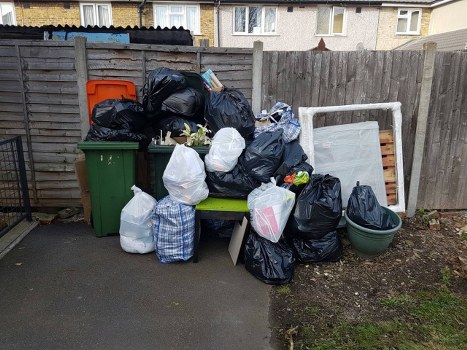 Purpose and scope: This complaints procedure sets out how Skip Hire Finchley and related waste removal services handle concerns about service quality, safety and compliance. It applies to issues raised by customers, contractors and third parties relating to skip delivery, collection, rubbish removal and related customer service matters. The policy is intended to be fair, transparent and accessible while respecting privacy and legal obligations.
Who can complain
Anyone who is affected by the actions or omissions of our skip hire and rubbish removal activities can raise a concern. Complaints may come from householders, commercial clients, project managers or community representatives. The process covers operational faults, alleged breaches of permit or environmental requirements, scheduling errors and unacceptable conduct by staff or contractors.
How to raise a concern
Complaints should be made promptly and include a clear description of the issue, relevant dates, locations and any supporting information such as photographs or booking references. While this page does not provide contact details, complainants should use the formal channels provided by the service provider they engaged with. Please mark any correspondence as a formal complaint to ensure correct handling.Acknowledgement and timescales
On receipt of a formal complaint the organisation will acknowledge it within a stated short timeframe and will advise who is handling the case. Initial acknowledgement confirms the complaint has been logged and provides an expected timetable for a full response. Complaints are often resolved within a few working weeks; complex matters may require longer investigation.Investigation process: Each complaint is assessed to determine whether it requires factual checking, site inspection, internal review or liaison with third parties. Investigations aim to be impartial. Records of interviews, site notes and evidence are kept to support findings. Where practical, the investigator will seek to establish root causes and whether operational procedures or supplier performance contributed to the problem.
Outcome and remedies
After investigation the complainant receives a written outcome explaining findings, conclusions and any corrective actions or remedies offered. Remedies may include apologies, service credits, adjusted charges, operational changes or further monitoring. Where health, safety or environmental concerns are validated, immediate measures will be taken to mitigate risk and prevent recurrence.Escalation and independent review
If the complainant is dissatisfied with the response, the complaint may be escalated within the organisation for senior review. The escalation stage re-examines the investigation and outcome, and provides an independent perspective. Where appropriate, an external or neutral review option may be suggested, particularly for disputes that cannot be resolved through internal processes.Confidentiality and data protection: Personal information collected during a complaint is handled in accordance with applicable data protection rules. Information is used only to investigate and resolve the issue, and is retained for the period necessary to demonstrate compliance and inform service improvements. Confidential commercial information will not be disclosed without consent unless required by law.
Record keeping and learning: All complaints are recorded and analysed to identify trends. Records support continuous improvement in skip hire operations, route planning, vehicle safety and staff training. Statistical summaries are used internally to drive change, while individual case details are managed with appropriate confidentiality.

Service standards and expectations
Complainants should expect a courteous, timely and professional response. The organisation commits to treating complaints seriously and to communicating clearly about progress and decisions. Where a partner or subcontractor is responsible for service delivery, the company will coordinate remedial actions and ensure accountability across the supply chain.
Appeals and next steps
If internal escalation does not produce a satisfactory resolution, the complainant may be advised of further options according to contractual or regulatory frameworks. This could include dispute resolution services or regulatory bodies relevant to waste management and environmental compliance. The procedure aims to exhaust internal remedies before advising on external steps.Expectations from complainants: To assist investigation, complainants are asked to provide accurate information, respond to reasonable requests for clarification and allow access for inspections where necessary. Abuse or harassment of staff will not be tolerated; persistent unreasonable behaviour may require the organisation to limit contact while still addressing the substantive complaint.
Continuous improvement
The complaints process itself is subject to periodic review to ensure it remains effective, accessible and fair. Learnings from complaints feed into policy updates, training programmes and operational changes that enhance the overall quality of skip hire and rubbish removal services.Policy review and transparency
This complaints procedure is maintained as part of the organisation’s compliance framework and will be reviewed regularly. Outcomes of aggregated complaint analysis inform transparency reporting and service level improvements while protecting individual confidentiality.Final note: Raising a complaint is a constructive way to improve service standards for skip hire in Finchley and surrounding service areas. The process is designed to provide a clear path to resolution, remedial action and organisational learning while respecting the rights of all parties involved.