Health & Safety Policy — Skip Hire Finchley
 Purpose: This Health and Safety Policy sets out the approach of our skip hire and rubbish removal business to manage risks and protect staff, contractors, customers and the public across our service area. It is designed as a legal and operational statement that emphasises compliance with applicable health and safety law, good practice for waste handling, and continual improvement of safety performance for the skip hire company.
Scope: The policy covers all activities related to skip provision, collection, transportation and disposal of waste materials. It applies to employees, agency staff, subcontractors and visitors involved in skip deliveries, site loading, vehicle operations, depot activity and temporary on-site storage of rubbish. The policy is relevant to all service locations within our operational footprint and should be used as a standard for every rubbish collection assignment.
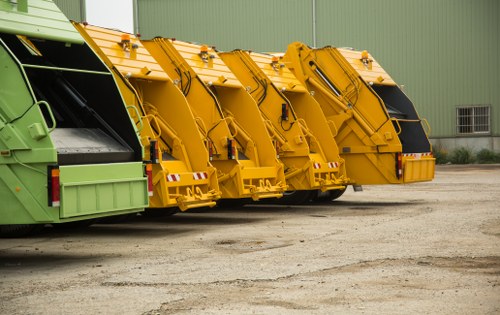 Responsibilities: Management has ultimate responsibility for health and safety and will ensure adequate resources are provided to implement this policy. Supervisors and drivers have direct responsibility for on-the-ground compliance, including vehicle checks, safe loading, and reporting of incidents. Employees are required to follow instructions, use provided personal protective equipment (PPE) and report hazards immediately. Contractors must demonstrate appropriate competence before undertaking work for the skip hire service.
Risk Management and Operational Controls
We maintain a formal process of risk assessment for all routine and non-routine tasks. Risks associated with rubbish removal and skip hire operations such as manual handling, hazardous materials, vehicle movements, slips, trips and falls are identified, evaluated and eliminated or controlled. Control measures include mechanical handling aids, exclusion zones during loading, safe systems of work and clear site signage. The skip hire provider will ensure risk assessments are recorded and easily accessible.
 Training and Competence: Staff receive regular training on safe working procedures, waste segregation, hazardous waste awareness and emergency response. Drivers and machine operators are required to hold relevant licences and certifications. Training records are retained and reviewed; refresher and task-specific training is provided where operational changes occur or after an incident. We promote a safety culture where employees are encouraged to raise safety concerns without fear of reprisal.
Personal Protective Equipment: Appropriate PPE is provided and must be worn where required. This includes high-visibility clothing, safety footwear, gloves, eye protection and respiratory protection for dusty or hazardous loads. PPE requirements are defined within task risk assessments and supervisors will ensure availability and correct use.
Vehicle Safety, Load Security and Environmental Controls
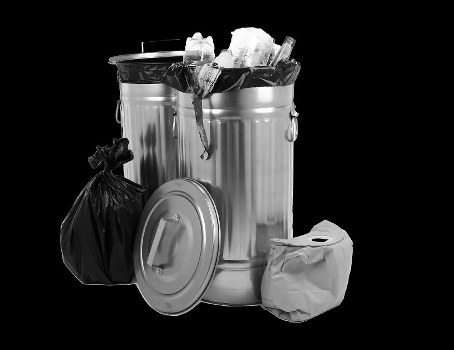 Vehicle maintenance follows scheduled checks and pre-shift inspections. Vehicles used for skip deliveries and rubbish collection are to be roadworthy and equipped with appropriate safety signage and restraints. Loads must be secured to prevent spillage, and drivers must comply with weight limits and routing protocols designed to minimise risk to third parties. Any defects identified during checks are reported immediately and affected vehicles removed from service until remedied.
Hazardous Waste & Prohibited Items: Certain materials are not acceptable for placement in skips, including controlled hazardous waste, asbestos, flammable liquids, compressed gas cylinders and clinical waste unless specific arrangements are agreed. Our skip hire teams identify suspected hazardous items and follow statutory procedures for safe isolation, documentation and disposal. Clear customer instructions and signage reduce the likelihood of prohibited items entering the waste stream.
 Incident Reporting and Emergency Response: All incidents, near misses and injuries are reported promptly to management. We maintain an incident reporting system for investigation, root cause analysis and corrective action. Emergency procedures cover first aid, spill control, fire response and coordination with emergency services. We keep records of accidents and share lessons learned to prevent recurrence.
Monitoring, Review and Continuous Improvement: The skip hire business conducts regular safety audits, inspections and performance reviews to ensure compliance and identify improvement opportunities. Key performance indicators include incident rates, training completion, audit findings and corrective action closure. Management reviews this policy at least annually or sooner when there are significant operational changes or legislative updates.
Documentation and Legal Compliance: We keep records of risk assessments, method statements, training, vehicle maintenance and incident reports. The policy aligns with applicable health and safety legislation and industry guidance relevant to skip hire, waste transport and rubbish collection. Legal compliance, combined with industry good practice, forms the baseline for our safety standards.
Commitment: Our company is committed to protecting people and the environment by ensuring safe skip hire operations, robust rubbish removal practices and responsible waste management across our service area. Management will lead by example and provide the resources necessary for effective implementation of this policy. Employees and contractors are expected to cooperate in the spirit of safety and professionalism to maintain a safe working environment.