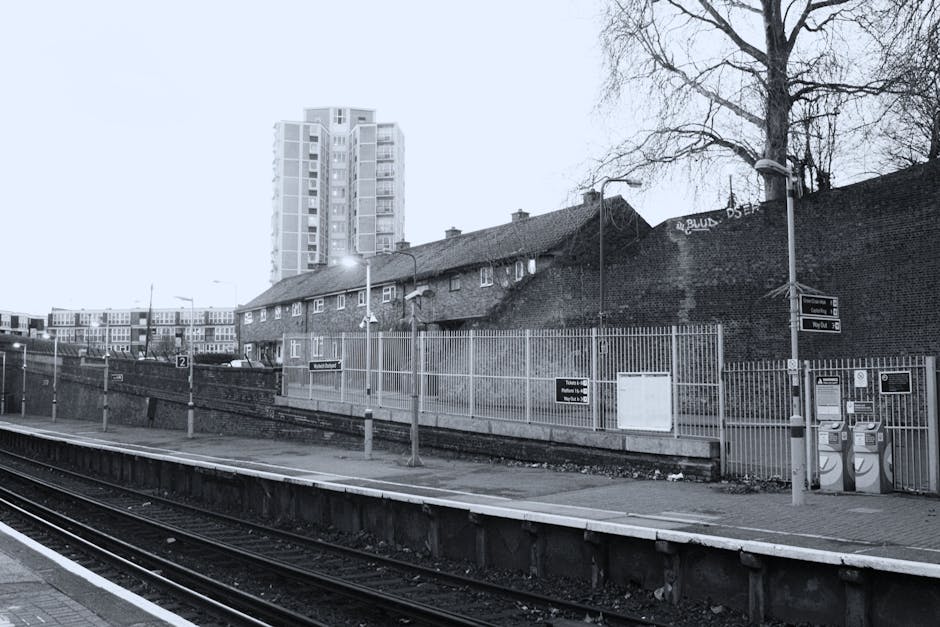
Finchley Central Station Rubbish Clearance Near Stephens House
If you are looking for Finchley Central Station rubbish clearance near Stephens House, chances are you want the job done quickly, neatly, and without turning a busy local street into a headache. Maybe you have moved out of a flat near the station, maybe a builder has left plasterboard and timber in a pile, or maybe you simply want old furniture gone before it becomes a bigger problem. Either way, the need is usually the same: clear the waste, keep disruption low, and do it properly.
This guide breaks down how rubbish clearance works in this part of Finchley, what to expect from a good service, and how to choose the right method for the waste you actually have. We will also cover practical tips for access, timing, compliance, and the little details that matter around Stephens House and the surrounding streets. Truth be told, those details often save more time than people expect.
Whether you need a one-off clear-out, a partial house clearance, or help after building works, the goal is to make the process simple. And yes, it can be simple.
Table of Contents
- Why Finchley Central Station Rubbish Clearance Near Stephens House Matters
- How Finchley Central Station Rubbish Clearance Near Stephens House Works
- Key Benefits and Practical Advantages
- Who This Is For and When It Makes Sense
- Step-by-Step Guidance
- Expert Tips for Better Results
- Common Mistakes to Avoid
- Tools, Resources and Recommendations
- Law, Compliance, Standards, or Best Practice
- Options, Methods, or Comparison Table
- Case Study or Real-World Example
- Practical Checklist
- Conclusion
- Frequently Asked Questions
Why Finchley Central Station Rubbish Clearance Near Stephens House Matters
This part of Finchley has a mix of residential streets, schools, commuter traffic, older properties, and busy access routes. That means rubbish clearance is not just about removing items. It is about doing it with care, timing, and an eye on the practical realities of the area.
Near Stephens House, a clearance job can affect more than your own doorstep. Parking can be tight, pavement space limited, and access sometimes awkward for larger vehicles. If waste is left out too long, it can block walkways, attract complaints, and quickly turn from a simple domestic issue into a nuisance. Nobody wants that. It is one of those small problems that snowballs.
There is also the question of waste type. A few black bags of household rubbish are very different from old wardrobes, damaged appliances, builder's rubble, or mixed junk from a loft or garage. The right clearance approach depends on what is being removed, how much there is, and whether anything needs separate handling.
For local households, landlords, tradespeople, and small businesses, a well-planned clearance keeps things moving. You get a cleaner property, less stress, and a far better chance of avoiding repeat visits. In our experience, that alone makes a big difference when time is already tight.
Think of it as part logistics, part compliance, part common sense.
How Finchley Central Station Rubbish Clearance Near Stephens House Works
Most rubbish clearance jobs follow a similar pattern, though the exact method depends on access and the type of waste. A proper service usually starts with an assessment of the load, then chooses the most efficient way to remove it. That could be a small vehicle collection, a man-and-van service, grab hire, or a skip-based solution.
If the waste is ready and accessible, clearance can be surprisingly quick. If it is mixed with items that need separating, or if access is awkward, the process may take longer. Simple enough, but it is the difference between a smooth job and a frustrating one.
For properties near Finchley Central Station and Stephens House, timing matters too. Early collection windows are often easier for avoiding traffic and reducing disruption. If you have neighbours nearby, a cleaner, shorter removal window also helps keep the peace. Let's face it, nobody enjoys wheelie bins and heavy lifting at peak time.
Some jobs are better suited to rubbish removal when the waste is mixed or bulky but not huge in volume. Others call for skip hire if you have a steady stream of rubbish from renovation or decluttering. For awkward access or tighter spaces, wait and load skip hire can be a practical option because the vehicle does not need to sit around for long.
For heavier construction debris, services such as construction waste clearance or builders waste removal may fit better. And if the job involves soil, hardcore, or large volumes of inert waste, a grab-based solution may be more efficient than repeated manual loading.
Key Benefits and Practical Advantages
The main benefit of professional rubbish clearance is obvious: your waste disappears, and the space becomes usable again. But the real value goes beyond that. A good clearance service saves time, reduces physical effort, and helps you avoid mistakes that lead to extra cost or inconvenience later.
Here are some of the practical advantages people often notice straight away:
- Less disruption: waste is removed in a single, organised visit rather than dragged out over several days.
- Safer handling: heavy or awkward items are lifted and moved properly, which matters if stairs, tight hallways, or shared access are involved.
- Cleaner finish: the area is left tidier, which makes follow-up work easier, whether that is decorating, letting, or simply living comfortably.
- Better sorting: recyclable items, reusable materials, and general waste can be separated more sensibly.
- Fewer permit headaches: the right method can reduce the need for a street skip or long on-road occupation.
Another benefit people sometimes underestimate is mental relief. Clutter has a way of sitting in the corner of your eye, quietly annoying you every day. Once it is gone, the room feels different. Lighter, somehow.
For businesses and landlords, clear-outs also help protect presentation and turnaround times. An empty, tidy unit is simply easier to let, sell, hand back, or refurbish.
Who This Is For and When It Makes Sense
Rubbish clearance near Finchley Central Station and Stephens House is useful for a wide range of people. It is not only for major house moves or renovation projects. Often, it is the smaller situations that benefit most from a quick response.
This service makes sense if you are:
- clearing a flat, house, loft, garage, or shed
- removing bulky furniture, broken appliances, or mattress waste
- tidying after tenants have left items behind
- dealing with builder's waste after repairs or refurbishment
- emptying an office, storage room, or small commercial unit
- preparing a property for sale or new occupancy
- trying to deal with an urgent or time-sensitive clean-up
It can also make sense if you only have a partial load. You do not always need a full skip. Sometimes a smaller collection is the smarter move, especially in residential streets where space is limited. A half-full skip outside a property for days on end is not ideal, to be fair.
If your waste includes mixed household items, house clearance or garage and loft clearance may be more appropriate than a one-size-fits-all collection. For office furniture, printers, and paper waste, office clearance is often the better route. And for old white goods or bulky items, fridge and appliance removal or mattress and sofa disposal can keep the job efficient and tidy.
Step-by-Step Guidance
If you want the process to run smoothly, it helps to think in stages. The cleanest clear-outs usually come from a bit of preparation, not from luck.
- Identify the waste type. Separate general rubbish, bulky items, garden waste, builder's rubble, and anything that may need special handling.
- Estimate the volume. A few bin bags are very different from a full room of furniture. Volume affects vehicle choice, labour, and timing.
- Check access. Can a vehicle stop nearby? Is there a narrow staircase? Is the waste upstairs, in a basement, or at the rear of the property?
- Decide the best collection method. For example, skip hire suits ongoing projects, while man-and-van collection is often better for mixed or smaller loads.
- Plan around local constraints. Near the station or Stephens House, consider traffic, parking, and neighbour access before booking.
- Separate anything reusable or restricted. This helps with recycling and avoids surprises on the day.
- Confirm the price structure. Ask what is included, especially lifting, loading time, and any extra charges for special items.
- Schedule the removal. A well-timed slot can make the difference between a quick job and a long one.
- Check the area after clearance. Make sure nothing is left behind and that the site is safe and reasonably tidy.
A quick example: if you are clearing a flat near Finchley Central Station after a tenancy ends, the right move may be a same-day collection rather than a skip sitting outside for several days. That keeps the pavement clear and avoids unnecessary hassle. Small detail, big win.
Expert Tips for Better Results
Some of the best results come from little decisions made before the lorry arrives. Here are the ones that consistently help:
- Group items by type. Keep furniture together, bags together, and recyclables together if you can.
- Clear a path first. Make sure hallways, stairs, and doorways are not blocked. It speeds everything up.
- Keep paperwork or valuables out of the way. Especially in lofts, garages, and office clearances. People forget this more often than they should.
- Be realistic about access. If a van cannot park close enough, say so early. It changes the plan.
- Book before the mess becomes urgent. Emergency clearances cost more stress than money, usually.
- Ask how recycling is handled. A responsible service should be able to explain what happens to different waste streams.
One useful habit is to walk through the job as if you were loading it yourself. If there is a broken wardrobe hiding behind a stack of boxes, or a mattress wedged in a tight loft hatch, mention it. Those small surprises are what slow things down.
If you are comparing services, look for clarity, not just speed. A fast quote is useful. A clear one is better.
And yes, sometimes the tidy pile you thought was "not much" turns into three van loads. Happens all the time.
Common Mistakes to Avoid
Rubbish clearance sounds straightforward, but a few common mistakes can make it awkward or expensive. Knowing them in advance saves hassle.
- Underestimating the amount of waste. This is the classic one. A pile in the corner grows legs once you start sorting.
- Mixing everything together. Hazardous items, appliances, and general waste should not all be treated the same way.
- Ignoring access issues. A narrow street, steep steps, or rear garden access can change the job completely.
- Leaving it to the last minute. If you need the space cleared for a move, handover, or builder, a delay can cause real pressure.
- Not checking what can be removed. Some items need special treatment or separate arrangements.
- Choosing only on price. Cheap on paper is not always cheap in practice if extra charges appear later.
One more thing. Do not leave waste on the pavement without checking the collection plan. In a busy local area, that can lead to complaints, blocked footfall, or a job that gets harder by the hour. Nobody wants to play waste traffic controller at 7:30 in the morning.
Tools, Resources and Recommendations
You do not need specialist equipment for every clearance, but a few simple tools make the work more efficient and safer.
| Tool or resource | Why it helps | Best for |
|---|---|---|
| Heavy-duty sacks | Contain loose waste and make lifting easier | Household rubbish, lighter mixed waste |
| Gloves and sturdy footwear | Reduce the risk of cuts and slips | Any manual handling |
| Moving blankets or straps | Protect walls and make bulky items easier to carry | Furniture and awkward items |
| Labels or marker pens | Help separate items for reuse, recycling, or disposal | Sorting projects, office clearances |
| Basic measuring tape | Helps confirm access and fit for larger waste loads | Skips, furniture removal, loft items |
For many local jobs, the most useful resource is actually a clear waste plan. If you are unsure where to start, a page like skip sizes and prices can help you understand the difference between a small domestic load and a bigger project. If you are dealing with items that can be reused or recycled, waste recycling services are worth considering, especially where sorting matters.
For heavier, mixed, or site-based loads, grab hire services and grab lorry hire can also be practical. If you are not sure which method fits, ask how much access, labour, and turnaround time each option needs. That usually makes the decision obvious.
Law, Compliance, Standards, or Best Practice
Waste clearance in the UK should be handled responsibly. You do not need to become a compliance expert, but it helps to understand the basic expectations. Waste should be collected, transported, and disposed of by people who handle it properly, and special care should be taken with items that may be hazardous, sharp, contaminated, or otherwise unsuitable for general disposal.
Best practice usually includes:
- sorting waste sensibly before collection where possible
- avoiding mixed disposal of hazardous and non-hazardous items
- using appropriate vehicles and containers for the load
- keeping access safe for workers and residents
- making sure recycling and disposal routes are handled responsibly
For items such as fridges, freezers, chemicals, paints, old electronics, or similar problem waste, ask in advance how they are handled. If the answer is vague, that is not ideal. Some materials need extra caution and separate processes.
Permits can matter too. If a skip is needed on a public road, a permit may be required depending on location and setup. The exact process and suitability can vary, so it is sensible to check before booking. Pages such as skip permits and skip hire permits are useful starting points when deciding whether a road-based skip is even the right move.
There is also a strong best-practice angle around safety and sustainability. If you care about how waste is handled after collection, look for providers who discuss recycling and sustainability clearly. And if you need reassurance about operational standards, pages covering health and safety policy and insurance and safety can give a better sense of how a company approaches risk.
Options, Methods, or Comparison Table
There is no single right way to clear rubbish near Finchley Central Station and Stephens House. The right option depends on volume, access, and urgency. Here is a straightforward comparison.
| Method | Best for | Advantages | Watch-outs |
|---|---|---|---|
| Rubbish removal / man-and-van | Mixed household waste, bulky items, quick clear-outs | Flexible, fast, good for awkward access | Less ideal for long projects with repeated waste |
| Skip hire | Ongoing renovations, predictable waste volumes | Convenient if you are generating waste over time | Needs space, may need a permit, can sit on-site longer |
| Wait and load | Busy streets, short-term loading, limited parking | Low roadside disruption, good for tight access | Needs everything ready when the vehicle arrives |
| Grab hire | Heavy, loose, or bulk waste in larger volumes | Efficient for sizeable loads, less manual carrying | Not always suited to cramped or highly restricted access |
| Specialist item removal | Appliances, sofas, mattresses, confidential or awkward items | Better handling for specific waste types | May require separate booking or sorting |
If you are unsure, ask yourself one simple question: is this a one-off clearance, or is waste likely to keep appearing over a few days? That question alone often points to the right method. A one-off loft clear-out near Stephens House might suit man-and-van collection. A refurbishment project, by contrast, may be better served by builders' waste options or a skip-based plan.
Case Study or Real-World Example
Imagine a typical clear-out near Finchley Central Station. A family has just finished sorting a house after years of storing things in the loft and garage. There are old chairs, boxes of mixed household items, a broken chest of drawers, a mattress, and a few bags of garden waste that somehow travelled indoors. Classic, really.
The first challenge is access. The property sits on a residential street with limited parking, and the front path is narrow. A full skip would not be ideal because the family needs the space back quickly and does not want a container sitting outside for days.
In this scenario, the smarter approach is a mixed rubbish removal service, with a plan to separate the mattress, reusable items, and general rubbish before collection. The team arrives, loads quickly, and leaves the area tidy. The loft and garage become usable again, and the family avoids the stress of organising several trips to a disposal site.
Another common variation is a small landlord clean-up after tenants move out. If there are left-behind items, a damaged fridge, and a few bags of rubbish, a targeted collection is often more efficient than over-ordering a skip. The key is matching the method to the real load, not the imagined one.
That is the whole game, really. Right tool, right timing, less mess.
Practical Checklist
Use this checklist before booking your Finchley Central Station rubbish clearance near Stephens House:
- Have I identified exactly what needs removing?
- Do I know whether any items are hazardous or require special handling?
- Have I roughly estimated the volume of waste?
- Is access straightforward, or will loaders need to carry waste a long way?
- Do I need same-day or next-day collection?
- Would a skip, grab hire, or man-and-van service suit the job best?
- Is there space for a vehicle, skip, or loading point?
- Have I separated reusable or recyclable items where practical?
- Do I understand any permit or placement issue if a skip is involved?
- Have I confirmed what is included in the quote?
- Is the area clear enough for a quick and safe removal?
- Do I know who to contact if the job scope changes on the day?
If you can tick most of those off, you are in good shape. If not, take ten minutes to sort them now. That usually pays off later.
Conclusion
Finchley Central Station rubbish clearance near Stephens House is really about making a local job feel manageable. The best results come from choosing the right method, understanding the waste you have, and planning for the access and timing realities of the area. Nothing fancy. Just a calm, sensible approach.
For many people, the biggest relief is not only seeing the rubbish go. It is the sense that the space is usable again and the problem is no longer hanging over them. That feeling matters more than people admit. A clear room, a clear path, a clear mind. Sometimes that is enough to change the day.
If you are comparing options, pay attention to clarity, safety, and how well the service fits your specific situation. Near Finchley Central Station and Stephens House, the best choice is usually the one that keeps things simple without cutting corners.
Get a free quote today and see how much you can save.
Frequently Asked Questions
What type of waste can usually be removed near Stephens House?
Most common household rubbish, bulky furniture, garden waste, white goods, and many types of renovation debris can usually be removed, but some items need special handling. If you have anything sharp, contaminated, or potentially hazardous, mention it upfront.
Is rubbish clearance better than skip hire for a flat near Finchley Central Station?
Often, yes, especially if access is tight or you only have a one-off load. Rubbish clearance can be quicker and less disruptive than having a skip outside for several days. For ongoing renovation waste, a skip may still be the better fit.
Do I need a permit for waste removal in this area?
Usually the permit question comes into play with skips placed on public land or roadside loading setups. The need depends on the exact arrangement, so it is wise to check before booking. If the waste is collected directly from your property, a permit may not be needed.
How long does a typical rubbish clearance take?
That depends on volume and access. A small load can be handled quickly, while a loft or full property clear-out naturally takes longer. The easiest jobs are the ones where everything is ready to go and access is straightforward.
Can bulky items like sofas and mattresses be taken away?
Yes, bulky items are commonly part of local rubbish clearance jobs. In some cases, it can be helpful to book specialist disposal services for mattresses, sofas, or appliances so they are handled appropriately.
What if my waste includes building materials?
Building materials can often be removed, but the right method depends on the type and volume. Rubble, timber, plasterboard, and mixed builders' waste may be better suited to construction-specific clearance, grab hire, or skip hire.
How do I know whether I need a skip or a man-and-van service?
Ask yourself how much waste you have, how quickly it needs to go, and whether access is easy. If waste is mixed and the job is one-off, a removal service may be more convenient. If waste will build up over several days, a skip may be better.
Is rubbish clearance suitable for landlords and letting agents?
Yes. It is often useful after tenant move-outs, property refurbishments, or before re-marketing a flat or house. A prompt clearance can help prepare the property faster and reduce void time.
What happens to the rubbish after collection?
That depends on the service and the waste type, but responsible operators will sort, recycle, and dispose of items through appropriate channels where possible. It is sensible to ask how recycling is handled if that matters to you.
Can I book a same-day clearance near Finchley Central Station?
Sometimes, yes, especially if the job is straightforward and there is availability. Same-day jobs are more likely to work well when the waste is already sorted and access is simple.
What should I do before the team arrives?
Clear a path, separate anything you want to keep, and group items by type if you can. A little preparation makes the job smoother and often faster. Small effort, big difference.
Are office or commercial clearances handled differently?
They can be, especially if there are desks, confidential papers, electronics, or time-sensitive access rules. For those jobs, services like office clearance or confidential shredding are usually more appropriate than a general rubbish collection.
If you want the job handled neatly, safely, and with less disruption than trying to tackle it alone, the sensible next step is to compare your options and book the method that fits your waste, your access, and your timing. That is usually where the stress starts dropping, almost immediately.